Building the Future, Piece by Piece: ITC Achieves Seamless Modular Construction with TRISITA Engineering

Leveraging BIM and Autodesk for Efficient Offsite Manufacturing and Onsite Assembly.

ITC partnered with TRISITA Engineering to streamline modular construction using BIM, ensuring seamless project portability and
sustainability—all powered by Autodesk’s cutting-edge tools.
May 19, 2025     4 mins read


• 20% Faster GFC Sheet Generation using Revit, accelerating on-site execution.
• Zero clashes in modular assembly thanks to Navisworks coordination.
• Sustainable BIM workflows reduced material waste by 15%, aligning with ITC’s green goals.
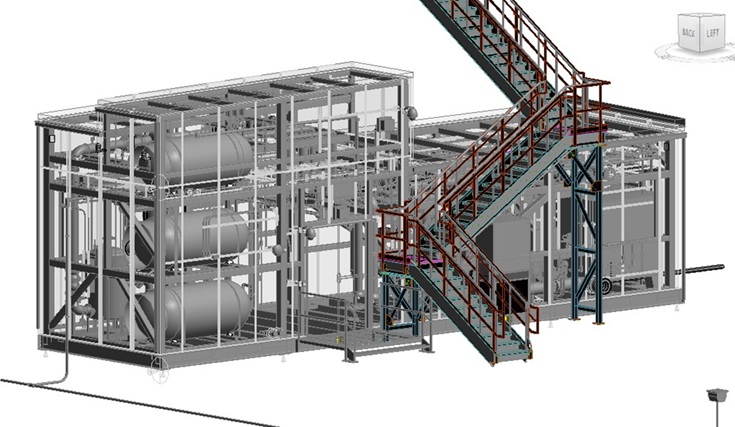
When ITC set out to develop a portable construction site featuring structures that could be divided into smaller, transportable modules without compromising design or integrity, they faced a complex challenge. Coordinating architectural, structural, and MEPF systems across segmented modules required advanced
planning and flawless execution. TRISITA Engineering partnered with ITC to implement a robust BIM strategy using Autodesk Revit, creating a detailed digital model that enabled precise design, clash detection, and fabrication. This approach ensured each module was designed independently yet integrated seamlessly during assembly.

The Client’s Challenge: Building a Portable Structure, Piece by Piece

ITC operates across diverse industries such as FMCG, hospitality, paperboards, and construction. For this particular project, they aimed to execute a portable construction site, requiring each structure to be divisible into smaller, transportable modules — without compromising integrity or design coherence. The core challenge? Figuring out how to split the entire structure into transportable segments while maintaining coordination across architectural, structural, MEPF (Mechanical, Electrical, Plumbing, and Firefighting) systems. The task demanded more than just design, it needed advanced planning, error-free documentation, and seamless multi-disciplinary integration.ITC operates across diverse industries such as FMCG, hospitality, paperboards, and construction. For this
particular project, they aimed to execute a portable construction site, requiring each structure to be divisible into smaller, transportable modules — without compromising integrity or design coherence. The core challenge? Figuring out how to split the entire structure into transportable segments while maintaining coordination across architectural, structural, MEPF (Mechanical, Electrical, Plumbing, and Firefighting) systems. The task demanded more than just design, it needed advanced planning, error-free documentation, and seamless multi-disciplinary integration.

TRISITA’s Tailored Approach: BIM for Modular Mastery

TRISITA Engineering recognized that a robust BIM strategy was crucial to address ITC’s portability challenge. Their approach centered on creating a comprehensive digital model of the entire structure using Autodesk Revit. This intelligent model served as the central source of information, allowing for detailed design, clash detection, and the generation of precise fabrication drawings. breaking down the complex structure into manageable components within the Revit environment. This meticulous segmentation allowed for the independent design and detailing of each module while ensuring seamless integration during final assembly. The team worked closely with ITC, maintaining open communication and incorporating their specific requirements at every stage of the modelling process.

Tools & Technology: Leveraging Autodesk Solutions

Autodesk Revit was at the heart of the operation. The team created a unified model incorporating architectural, structural, and MEP systems. From this, they extracted:

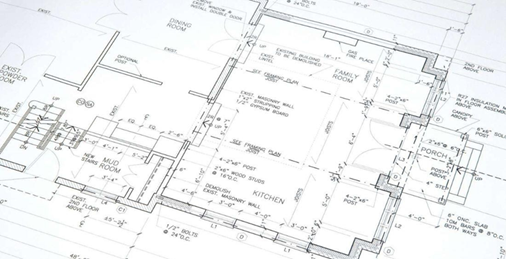
• GFC (Good for Construction) drawings
• General Arrangement (GA) drawings
• Intra-module drawings

Each output played a vital role in preparing the structure for its portable nature. To manage documentation efficiently, deployed Autodesk Construction Cloud, enabling real-time access to documents, version control, and streamlined communication between ITC’s teams and on-site contractors. Navisworks was used
to aggregate and review the models, helping detect potential clashes early and validate the overall assembly for construction.

Key Outcomes s Measurable Impact

With Autodesk solutions as the technological backbone, TRISITA achieved measurable results that benefited both teams:

  • 30% faster GFC sheet generation thanks to an integrated Revit
  • Improved interdisciplinary coordination, eliminating rework and on-site
  • Faster turnaround in drawing approvals and release
  • Centralized, cloud-based document access minimized delays and ensured everyone worked from the latest

Efficient Modular Fabrication: The precise GFC drawings generated from the Revit model directly facilitated the efficient and accurate offsite manufacturing of the structural modules. This streamlined process minimized rework and ensured that the components were ready for seamless onsite assembly.

Reduced Onsite Errors: By leveraging Navisworks for clash detection and providing clear, coordinated drawings through Autodesk Construction Cloud, it significantly reduced the potential for errors during the onsite assembly phase. This proactive approach saved time and resources, leading to a smoother and more efficient construction process.

Improved Collaboration and Communication: Autodesk Construction Cloud provided a centralized platform for all project stakeholders to access and manage information. This enhanced collaboration and communication between the design team, fabricators, and the onsite assembly crew, leading to better coordination and faster decision-making.

Workflow Transformation s Team Empowerment

For ITC, this wasn’t just a project — it was a digital transformation of their construction approach. The Revit model became more than a drawing tool; it was a live data environment that allowed ITC to view, comment, and interact with their project at every phase. On TRISITA’s end, the team used clash detection via Navisworks to solve complex overlaps before they became on-site problems. The ability to plan modular disassembly of the structures directly from the model led to more efficient transport logistics and reduced wastage on-site.

What’s Next: Scaling Innovation

This collaboration proves what’s possible when expertise meets innovation. With TRISITA Engineering’s BIM- driven approach and Autodesk’s robust technology suite, ITC not only solved a logistical challenge but also set a new benchmark for modular construction efficiency. It’s not just about building structures anymore — it’s about building smarter, together. TRISITA Engineering remains committed to staying at the forefront of BIM technology and exploring new ways to empower their clients with cutting-edge solutions, helping them build the future, one innovative step at a time.